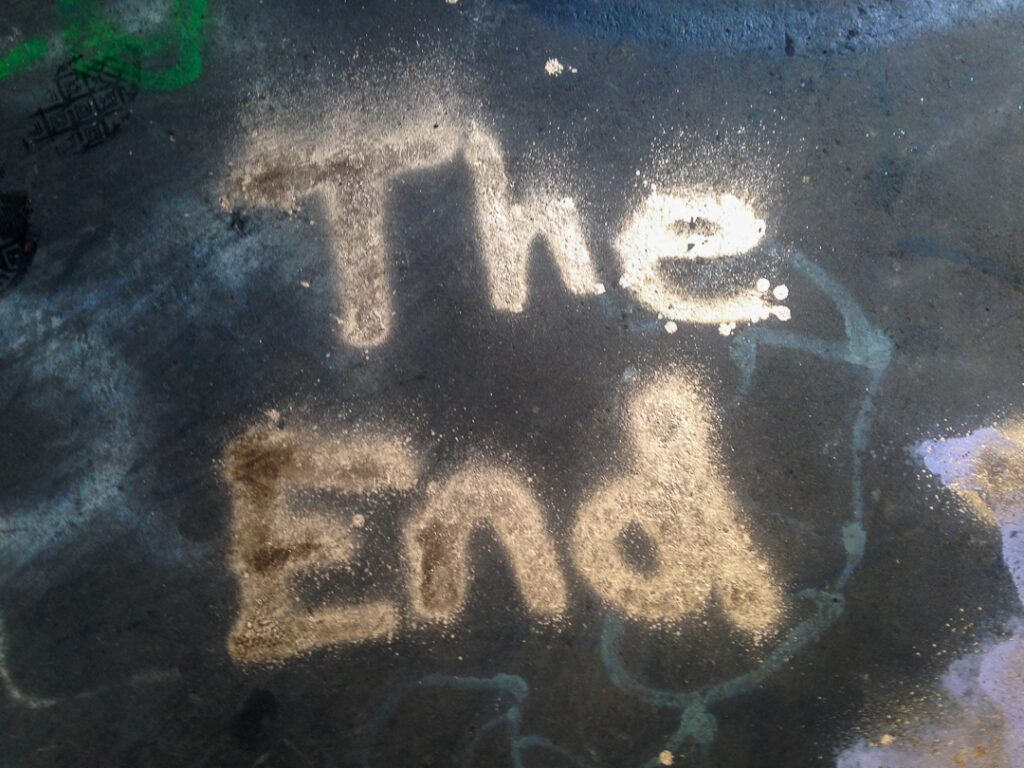
This article documents a place that no longer exists.
Trespassing on abandoned or restricted property is illegal. Entering sites like this can result in citations, significant fines, and criminal charges. Destruction or defacement of property is also illegal and prosecutable. What follows is not an invitation or a guide, but a historical record written after the fact.
For much of the twentieth century, a large industrial complex sat along Milwaukee’s inner-harbor near Bay View. Many people later referred to it as the old Coke plant, a name that lingered even though it was never connected to the soda company. In this case, coke referred to coal refined through heat into a dense fuel used for steelmaking and manufactured gas.
The site was operated by the Solvay Coke and Gas Company, constructed in the early 1900s and active shortly after 1903. Like many facilities of its era, it was built where infrastructure converged, near rail lines, shipping routes, and dense working neighborhoods. The buildings were substantial by necessity. Brick and concrete were used not for appearance but for endurance, designed to withstand heat, pressure, and industrial hazards.
For decades, the plant functioned as intended, producing fuel and gas that supported regional industry at a time when environmental consequences were poorly understood and lightly regulated, allowing impacts to accumulate gradually and largely out of sight.
By the late 1970s and early 1980s, the conditions that sustained operations like this were beginning to change. Steel production declined, energy systems shifted, and environmental regulation tightened, bringing an end to industrial activity at the Solvay site in 1983.
What remained was not a building waiting for reuse, but land that had been fundamentally altered by decades of industrial byproducts. The soil and groundwater were compromised, meaning any future use would begin with remediation rather than imagination.
For a time, the site lingered in that state.
Portions of the property continued to see limited industrial use into the early 2000s, primarily through scrap and salvage operations, before hazardous material removal and selective demolition of unstable structures began. The process unfolded gradually and unevenly, largely unnoticed beyond the fence line.
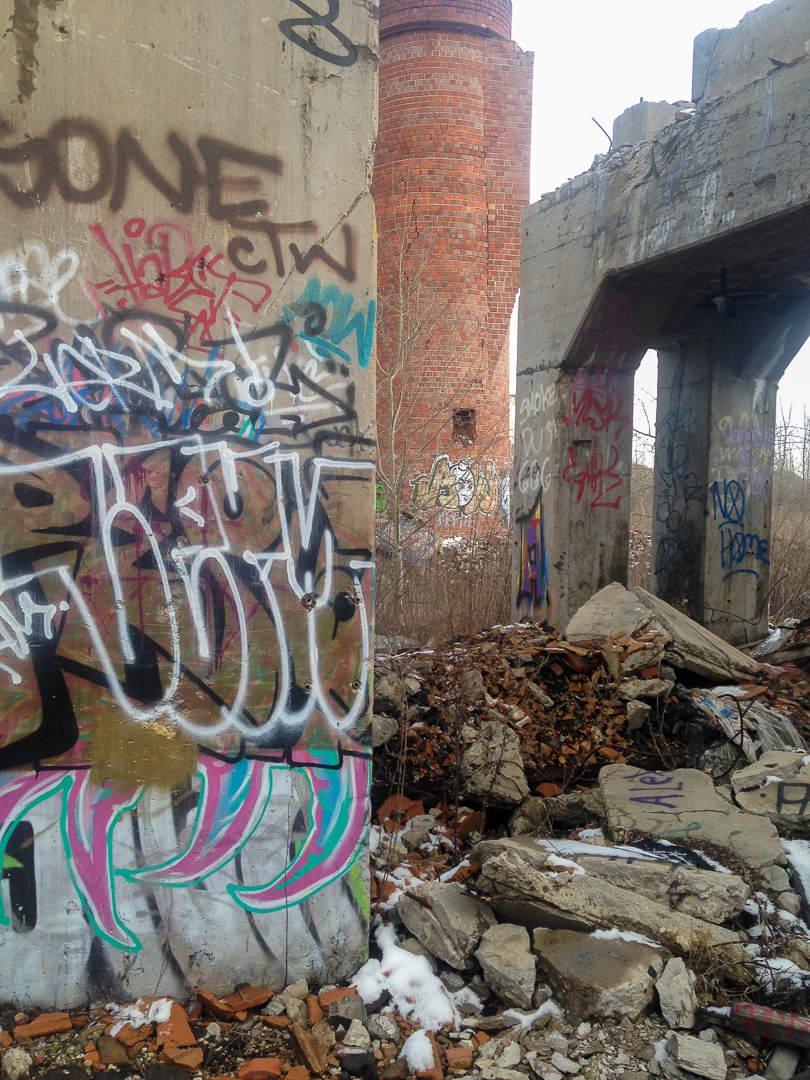
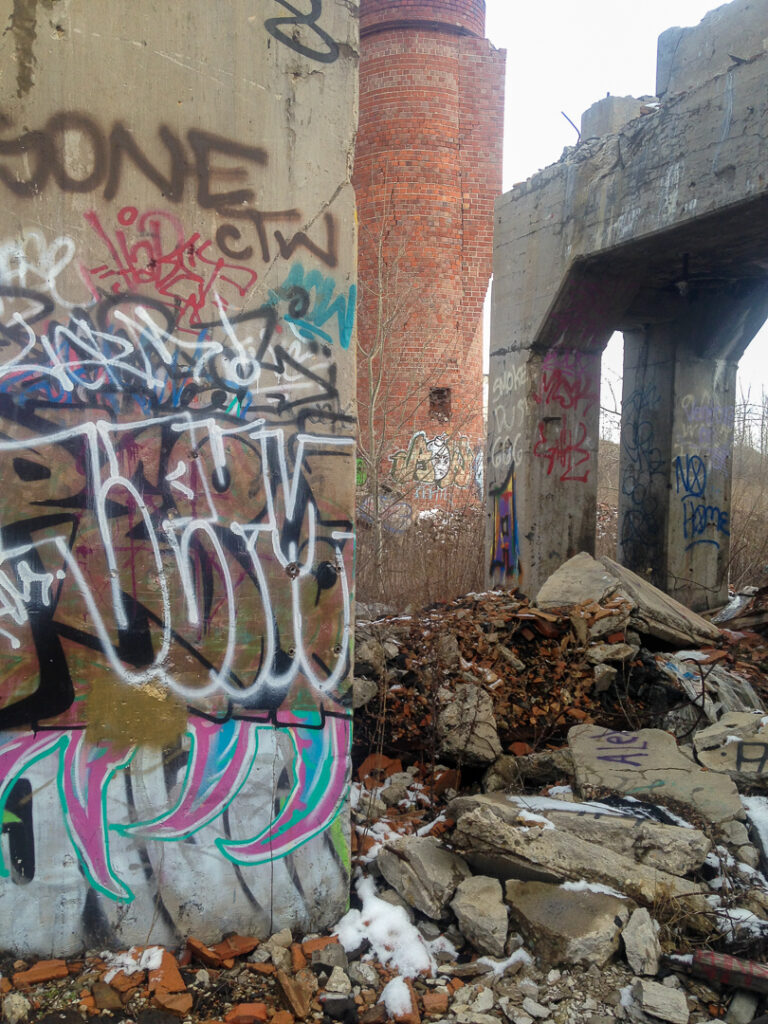
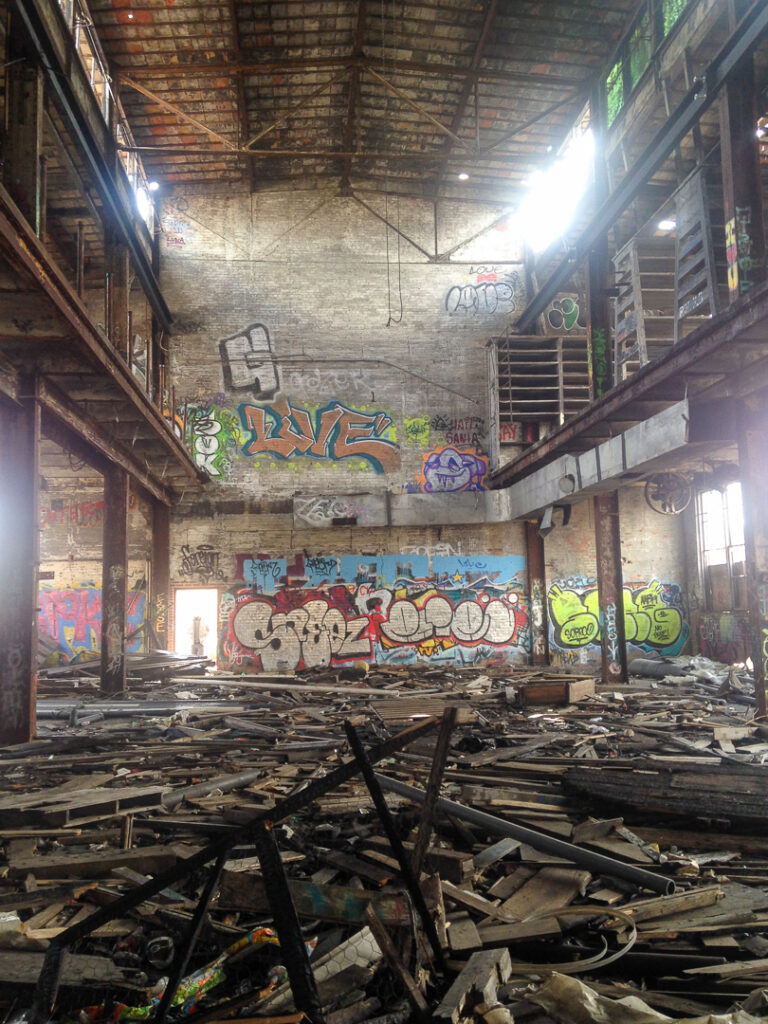
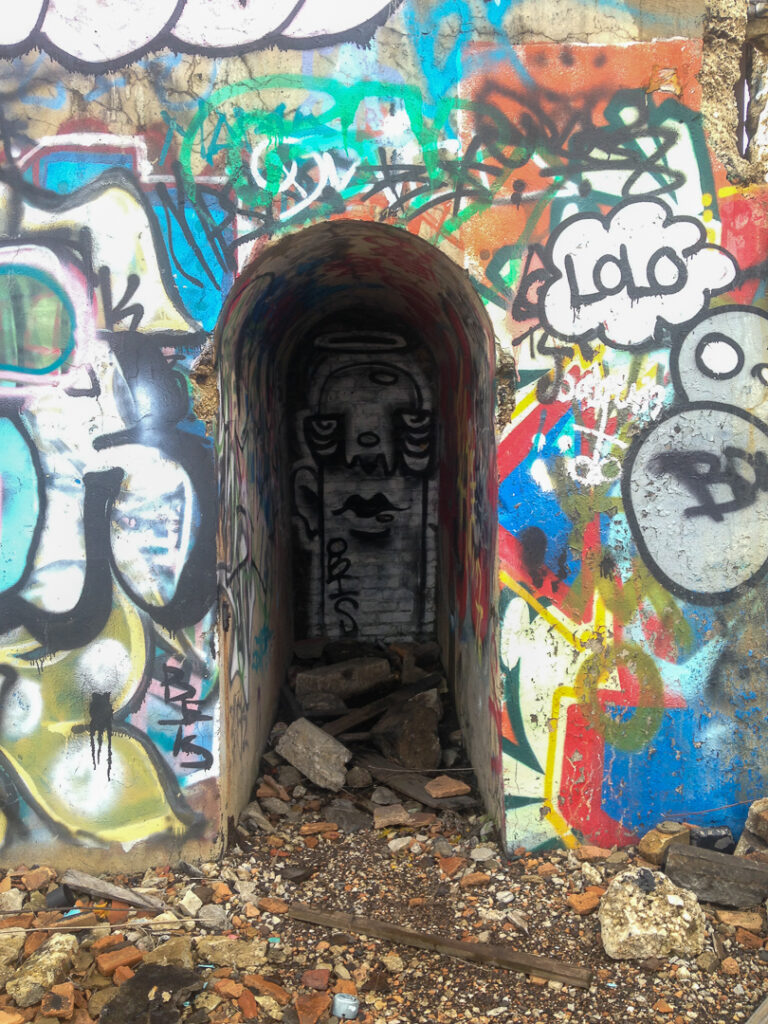
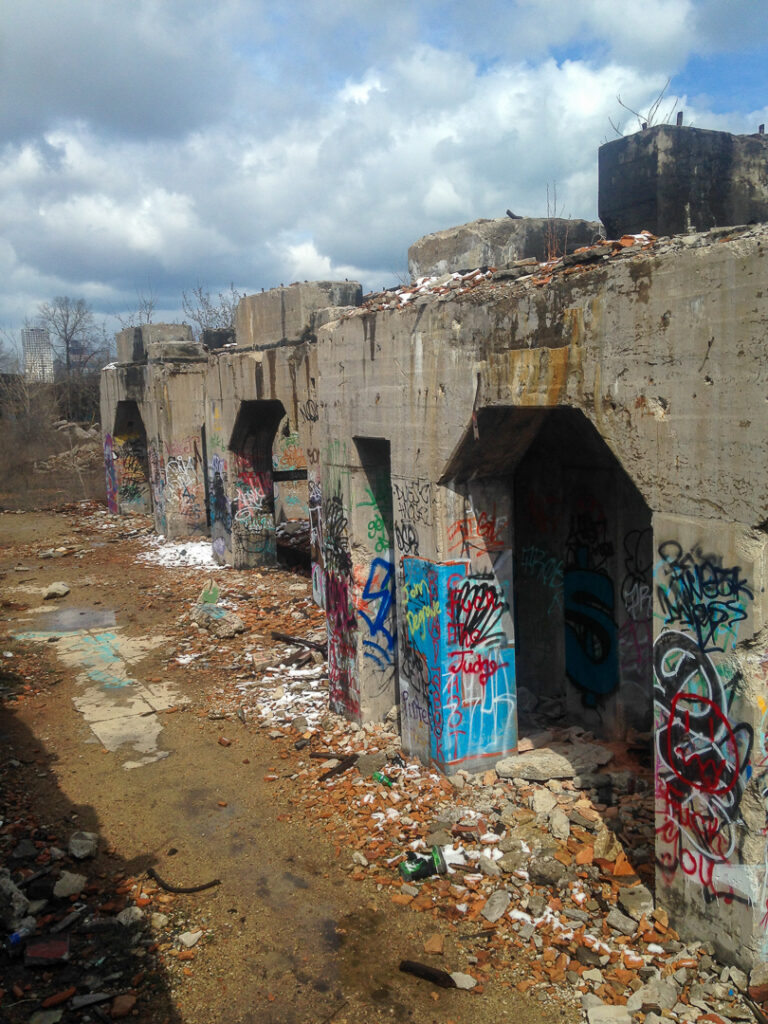
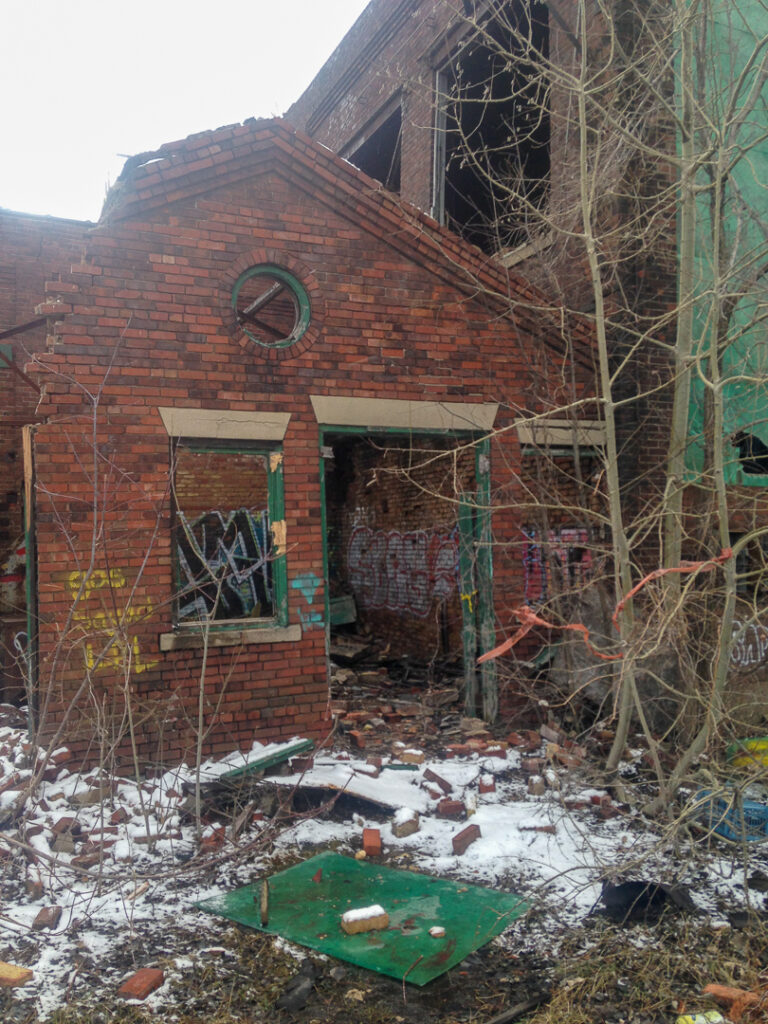
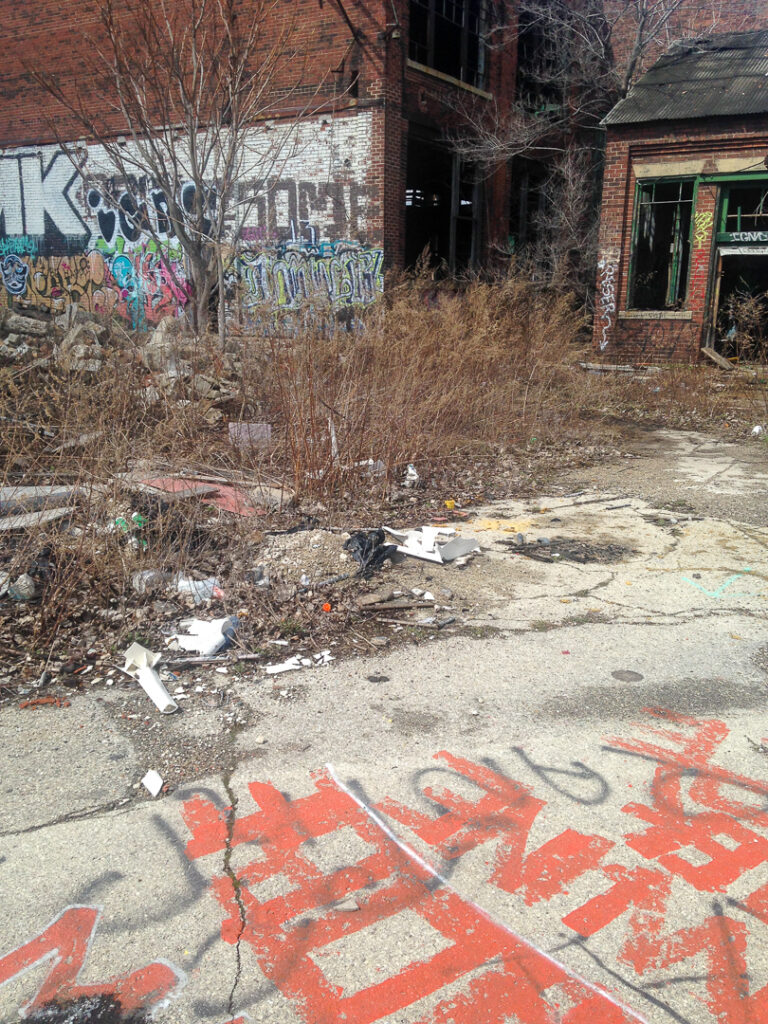
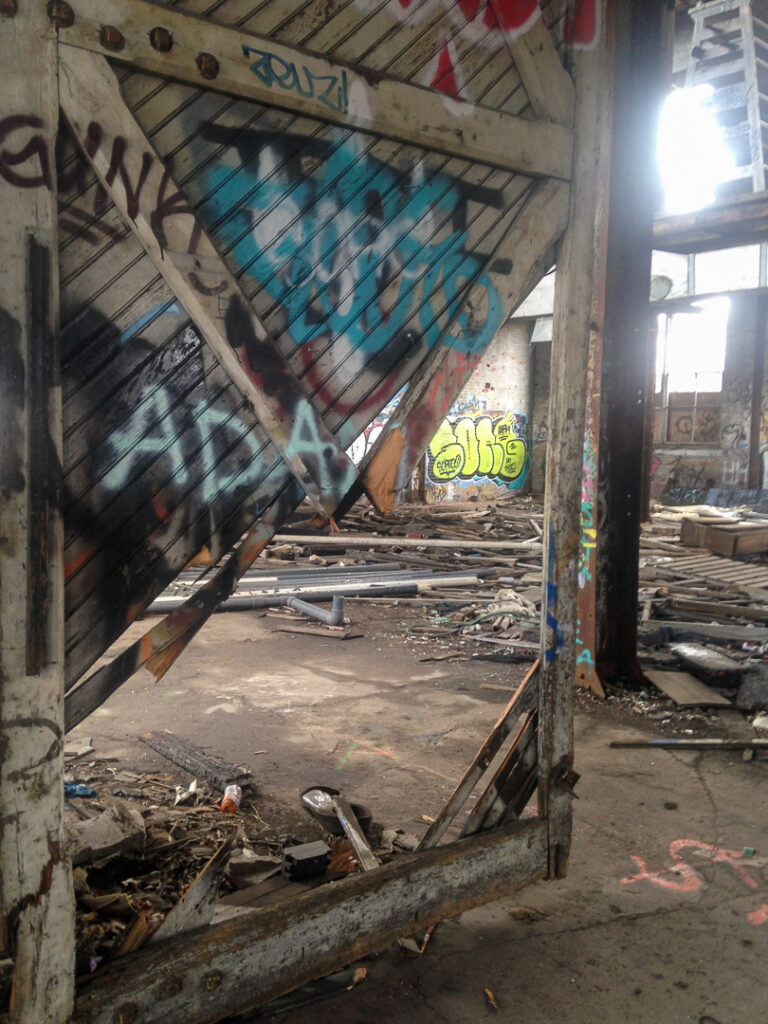
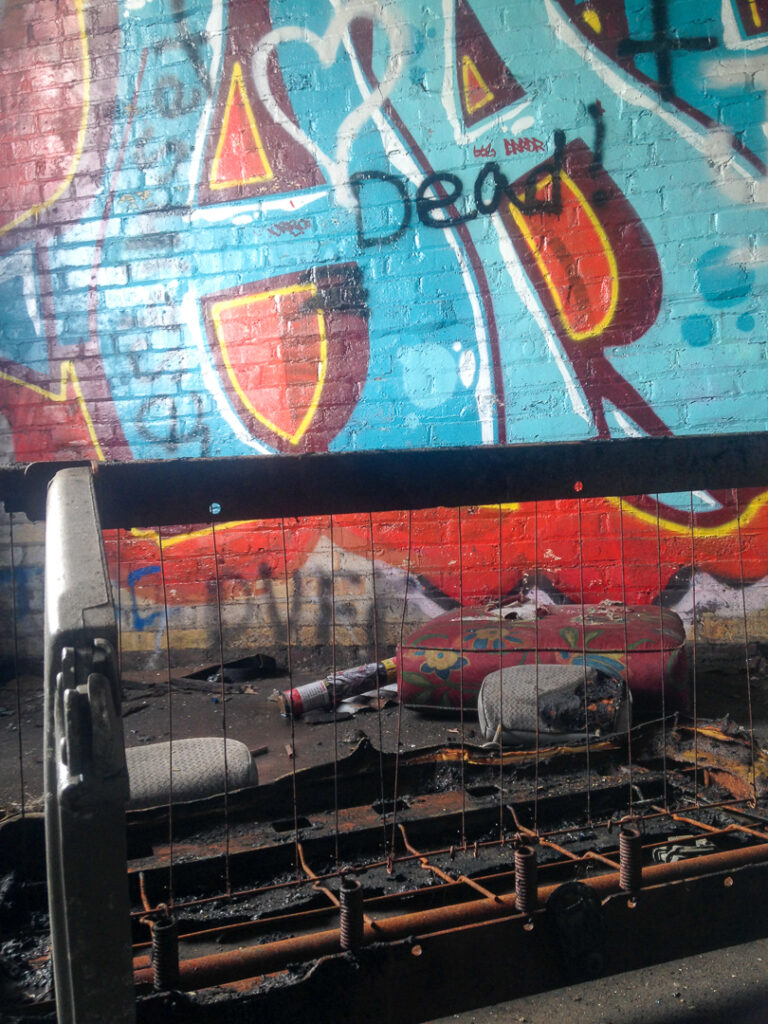
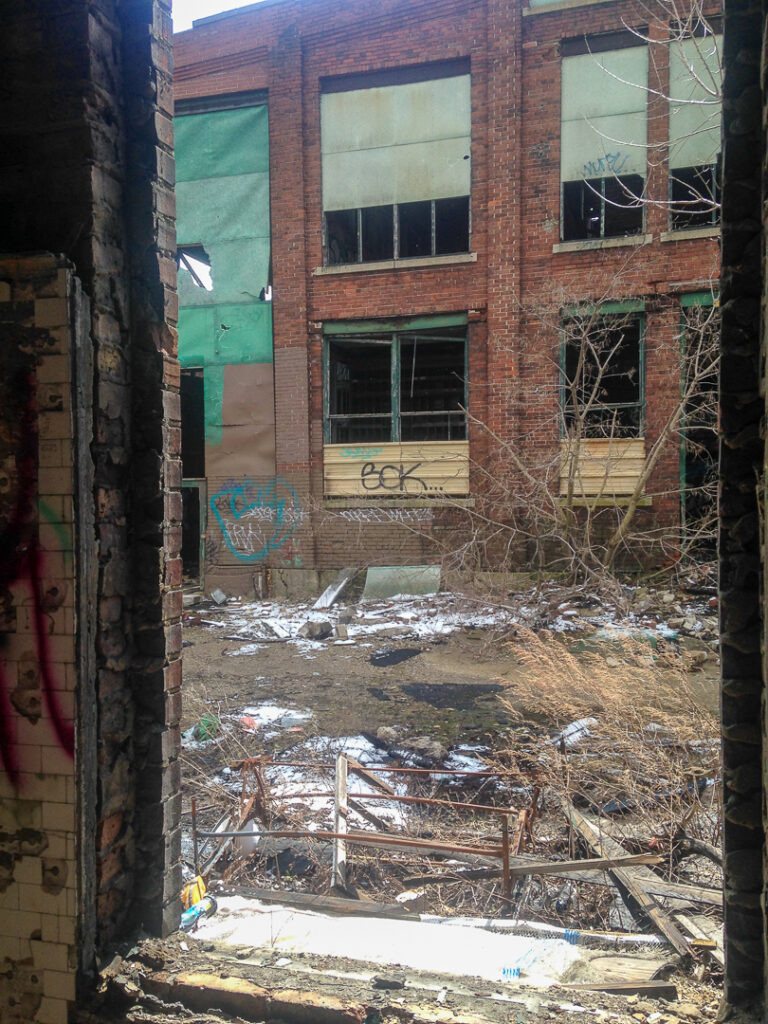
By the time many people encountered the site in the years that followed, it was already in visible decline. Walls were failing, rooflines had collapsed, brick was breaking down into the ground, and vegetation was reclaiming openings that no longer held their shape. The place was not preserved, but it remained legible.
Even in that condition, the site revealed how industrial Milwaukee once worked. The scale of the buildings showed how much space production required, the thickness of the walls reflected the forces they were built to contain, and movement through the complex was shaped less by intention than by mass and material.
For a brief period, the site functioned as an informal archive, not curated or protected, but present. It offered a way to understand the city’s industrial past through direct observation rather than interpretation, allowing the architecture itself to explain.
A formal raze order was issued in 2015, and by 2016, some of the remaining structures were being demolished as part of environmental cleanup. Foundations and debris persisted, and remediation continued under state and federal oversight in the years that followed.
Today, businesses operate on the land, and people work there, returning the site to everyday use, as most urban land eventually is.
What mattered was not whether the buildings could have been saved, but that for a brief period, they could still be understood. The site existed long enough for its scale, material, and purpose to remain legible, offering a rare chance to see how much space and force an industrial city once required.
That window was short, and it closed quietly.
What remains is not the plant itself, but the knowledge it briefly made visible: how industry shaped the city, how close it sat to daily life, and how quickly its physical traces can disappear once the work stops.
That is what this place was, and what it offered, just before it was gone.
Leave a Reply