
The Milwaukee County Historical Society uses its historic bank lobby to release duplicate and nonlocal materials, making room for the growing collection behind the scenes.
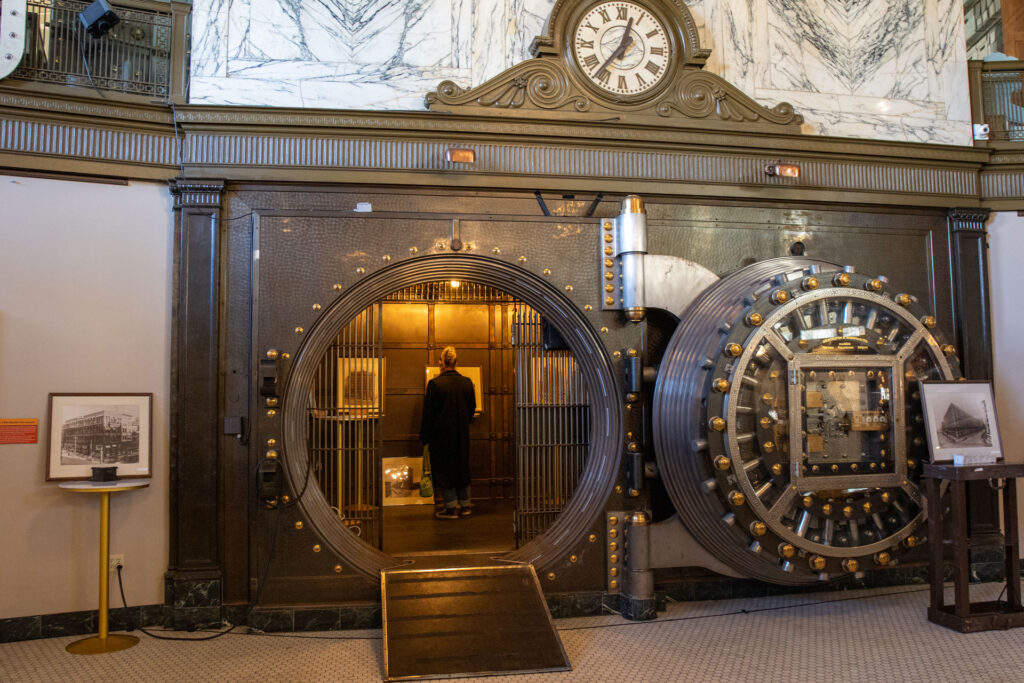

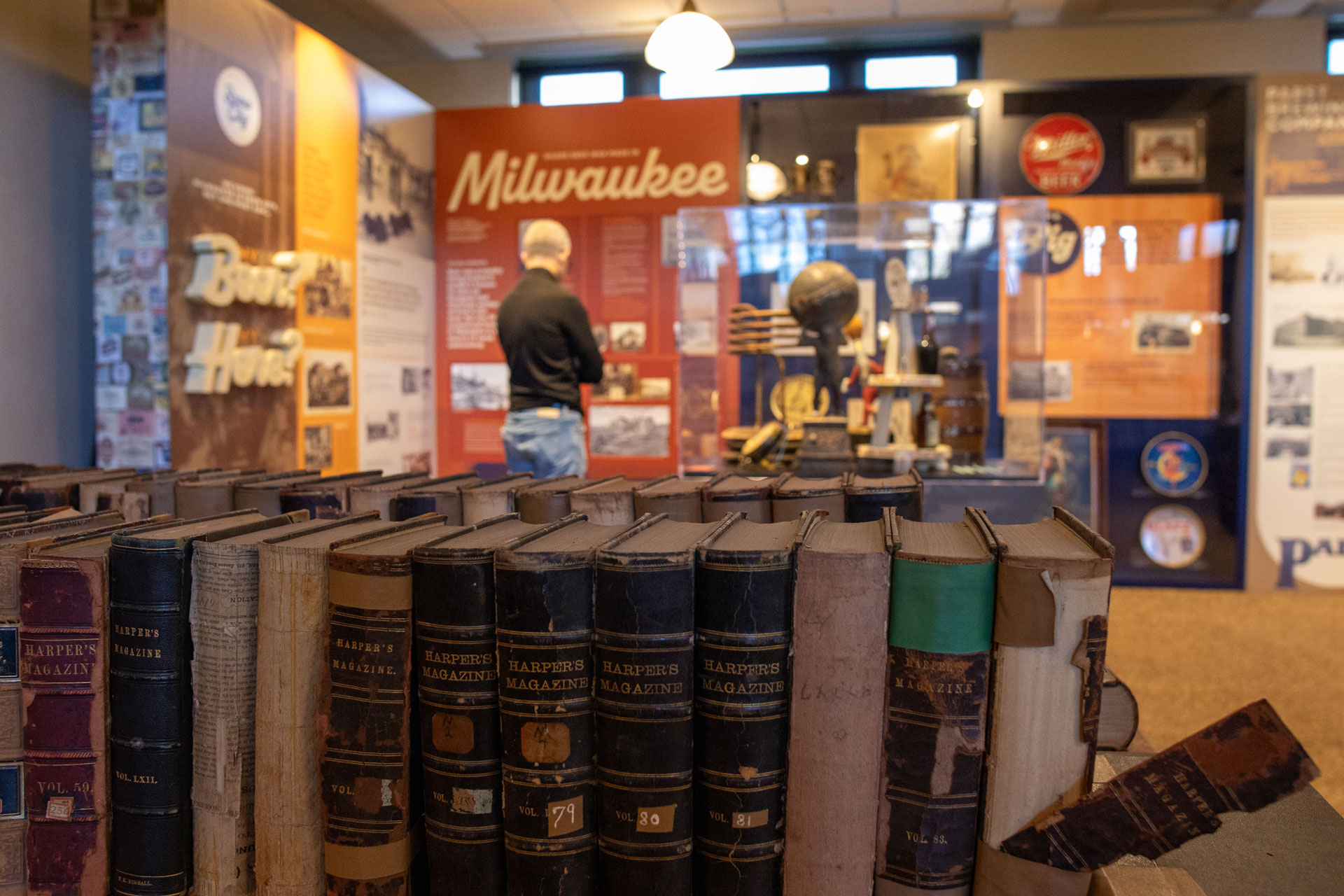
The Milwaukee County Historical Society held its annual book sale this weekend inside its headquarters at 910 North Dr. Martin Luther King Jr. Drive. The former 1913 bank lobby now serves as the organization’s public and museum space. For two days, the room shifted from exhibit hall to marketplace, where duplicate and non-Milwaukee materials were offered back to the public.
The sale has been a yearly fixture since at least 2014. It continued even in 2020 when staff moved it to a barn at Trimborn Farm. Archivist Steve Schaffer said the purpose has stayed constant. The Society has outgrown the storage capacity of its historic building and relies on an offsite facility for a significant portion of its archival holdings. Items that fall outside Milwaukee’s scope, or materials of which the Society holds more than three good copies, cannot remain in long-term storage. The sale provides a practical way to clear space responsibly.
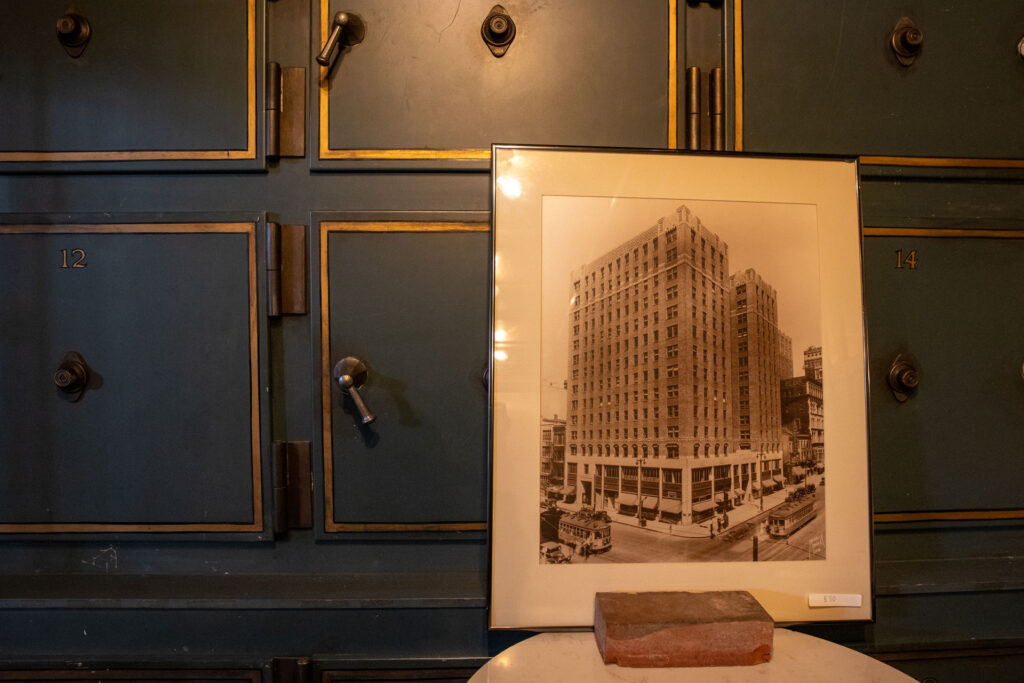
By Sunday afternoon, the results of opening day were clear. The vintage Milwaukee and Wisconsin history books that usually go first had already been picked through. What remained filled the tables in a broad mix of prints, magazines, maps, ephemera, and other duplicate items. Schaffer later confirmed that 755 pieces were sold over the weekend, ranging from individual postcards to a full card catalog.
The event drew a wide mix of people. “Book and antique dealers for sure,” Schaffer said, along with specialty collectors, students, and general street traffic. That variety gave the room a steady, unhurried movement as people worked their way through the tables.
The lobby’s layout helped set the tone. Visitors had space to browse, pause, and return to items without crowding. Conversations stayed low, and the atmosphere settled into the kind of calm that makes people take their time.
Proceeds from the sale support the Society’s core archival work. Schaffer said the revenue helps purchase the materials and equipment used to catalogue and arrange manuscript, photograph, and multimedia collections. This year’s funds will also allow the Society to digitize selected film records into usable formats. At the same time, letting go of duplicates and nonlocal materials reduces storage costs, which remain a constant factor in determining what the Society can reasonably retain. “We only sell items that are non-Milwaukee related or items that we have more than three good copies of,” Schaffer said.
By the end of the weekend, the tables showed wide gaps where books and prints had been carried out the door. The sale did not draw much spectacle, but it accomplished what it needed to. It cleared space, supported the technical work behind the collections, and sent pieces of the region’s printed history back into circulation. In a building first designed to safeguard financial records, the Society continues to focus on what documents Milwaukee and lets the rest find another place to be used.