
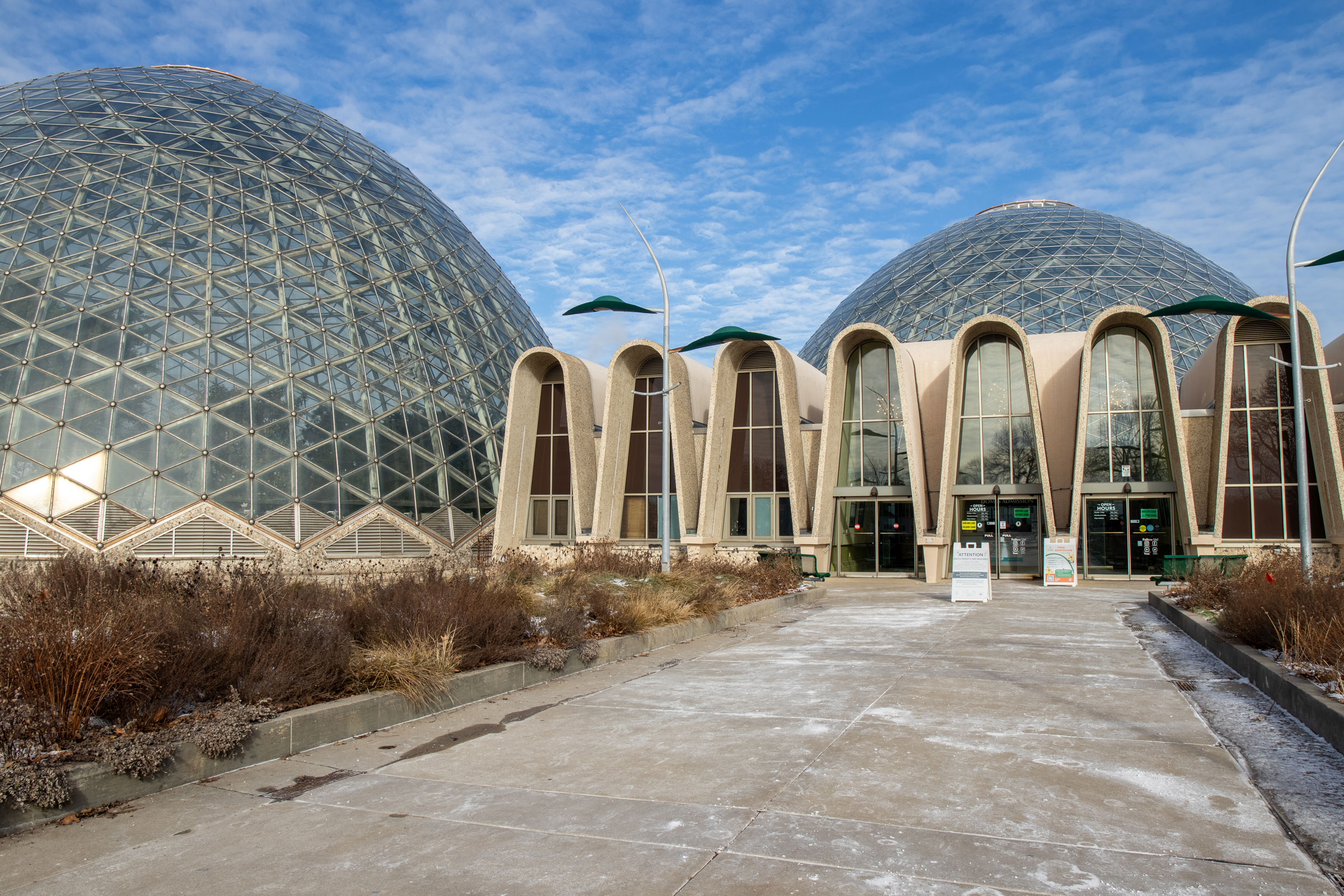
The Mitchell Park Domes Are Not Collapsing. Milwaukee’s Maintenance System Is Being Tested.


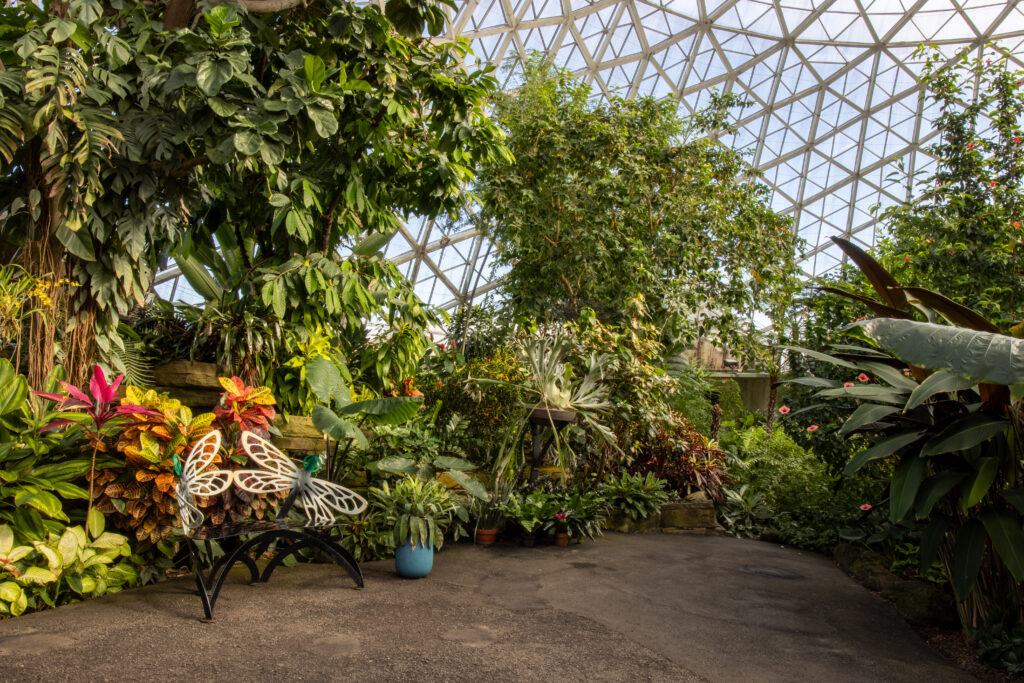
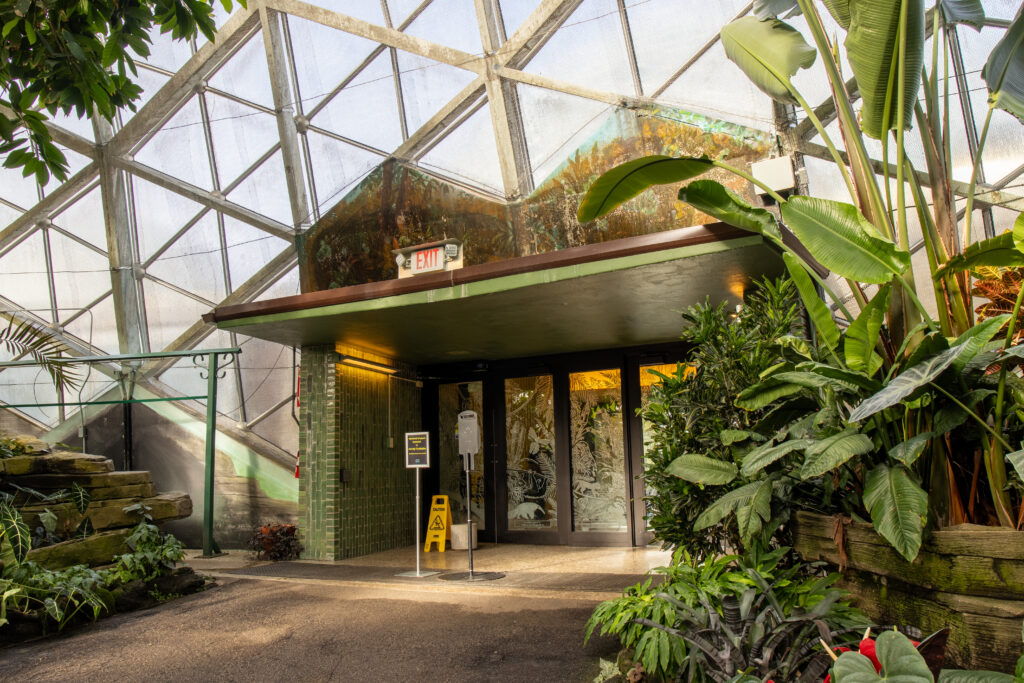
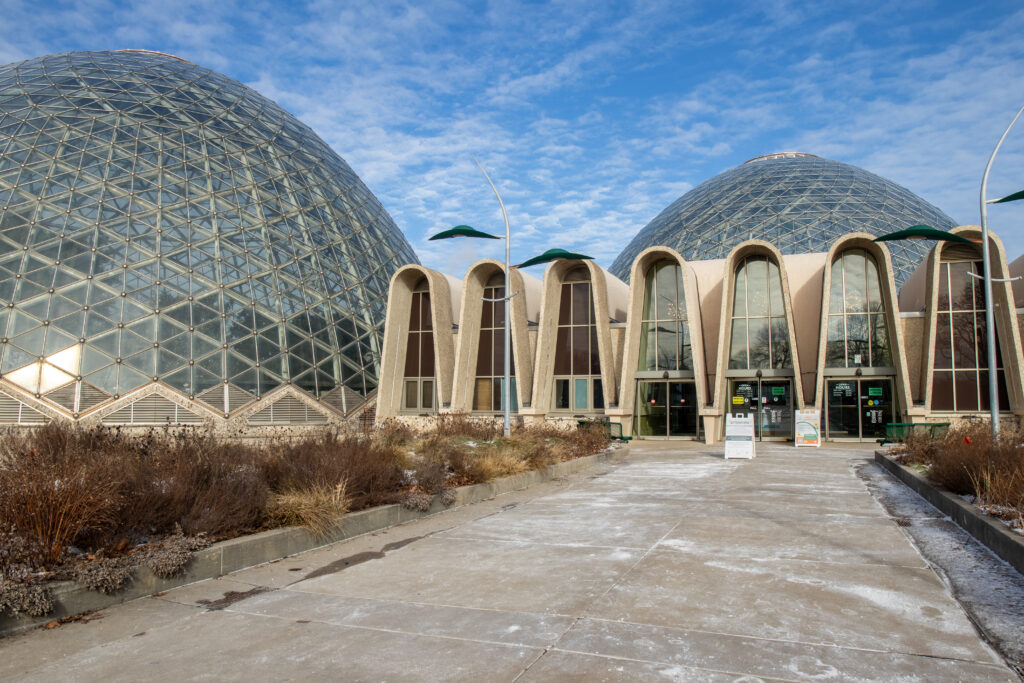
The Mitchell Park Domes are often described as a structural risk. That framing is common, emotional, and largely incorrect.
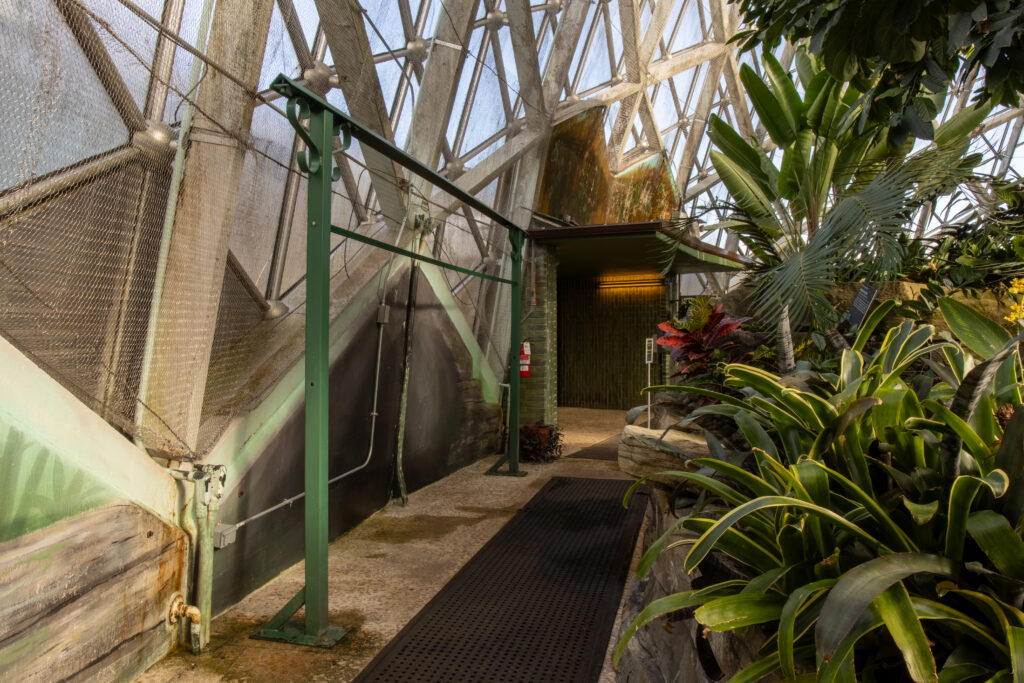
According to Milwaukee Domes Alliance CEO Christa Beall Diefenbach, the Domes are not facing structural failure. The core issue is deferred maintenance.
“We actually don’t have structural issues,” she said. “What we have is deferred maintenance.”
That distinction matters. Structural failure implies inevitability. Deferred maintenance points to years of delayed investment and postponed decisions. One suggests fate. The other suggests policy.
The Domes are not failing because their design was flawed. They are strained because upkeep has not kept pace with time.
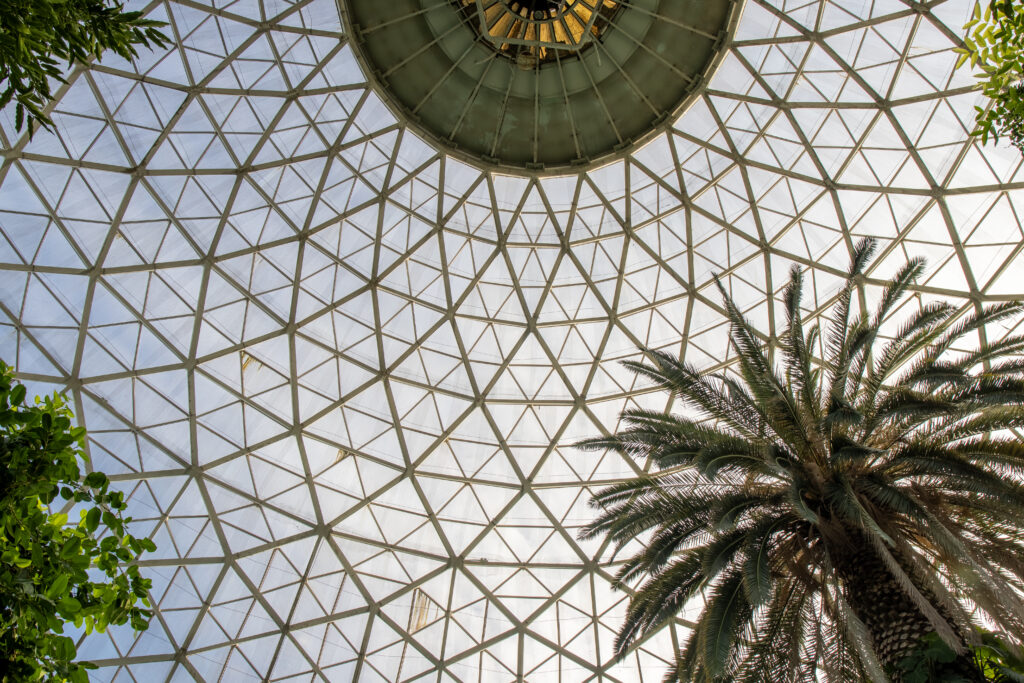
This is not a small facility with minor aging issues. The conservatory contains roughly 6,500 panes of glass, along with mechanical systems, climate controls, glazing assemblies, and environmental infrastructure that have reached or exceeded their intended service life. Replacing “the windows” here is not a routine repair. It is a large-scale lifecycle reset.
The underlying structures remain fundamentally sound. Dome forms are widely regarded as among the most resilient architectural geometries, valued for efficient load distribution and resistance to environmental stress. In extreme weather regions, similar designs are adopted specifically for their durability. The architecture is not the weak link. The maintenance system is.
The Domes operate through a layered governance model that blends county oversight, nonprofit leadership, philanthropic funding, tax credit financing, volunteer labor, and earned revenue. This structure did not emerge by accident. It exists because traditional public funding alone has not been sufficient to carry the full lifecycle of the asset.
Responsibility is distributed across institutions. So is risk.
When public capital budgets tighten, private donors fill gaps. When long-term funding remains uncertain, nonprofits take on operating roles. When staffing and resources stretch thin, volunteers absorb part of the workload. What visitors experience as a stable cultural institution is, in practice, the output of ongoing civic coordination.
The Domes were never intended to be a luxury attraction. Their founding charter positioned them as an access project, a public alternative to travel. Milwaukee County built them so residents who could not afford a plane ticket could still experience global plant life, diverse ecosystems, and environmental education.
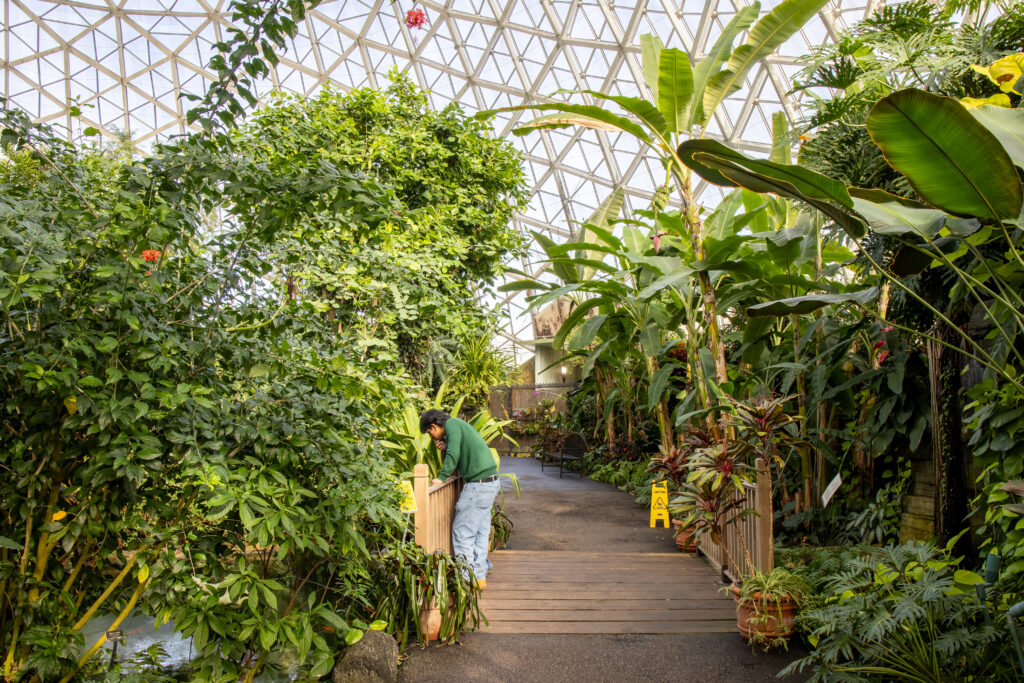
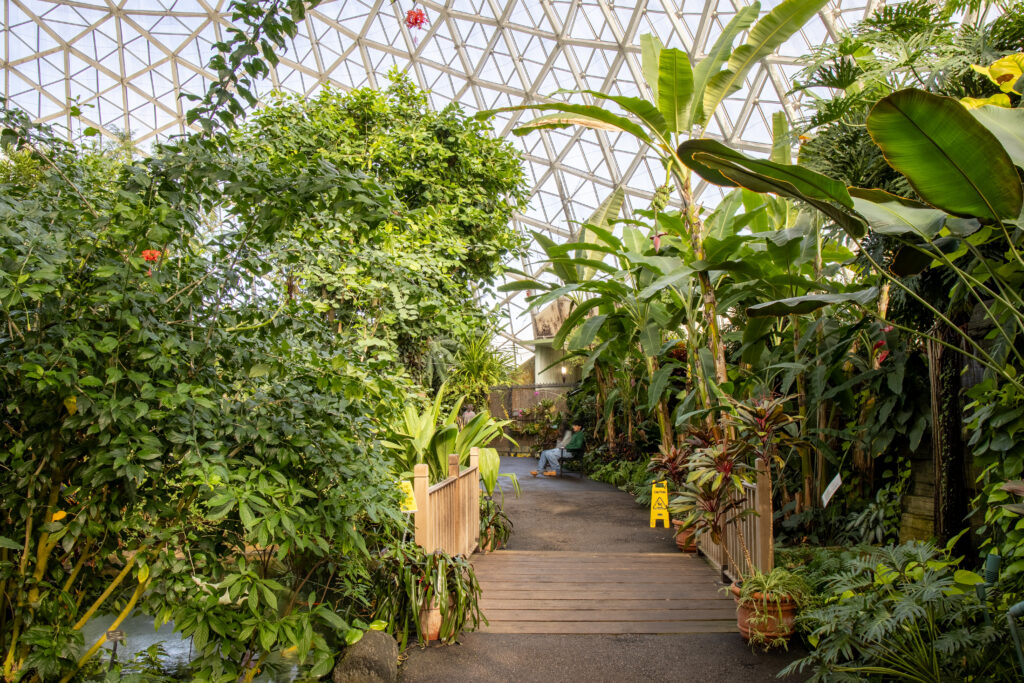
In systems terms, the Domes function as social infrastructure. They provide indoor public space that does not require status or spending to occupy. Families, seniors, students, and first-time visitors share the same environment. They serve recreation, education, mental health, and everyday civic life at once.
That public function explains why the Domes continue to command attention even as their maintenance burden grows.
The Domes Reimagined initiative is not simply a renovation plan. It is an institutional reset. The proposal seeks to correct a long-standing imbalance between operating costs, capital needs, and revenue capacity. It pairs major deferred maintenance work with expanded amenities intended to stabilize long-term finances, including a café, expanded retail, and a children’s garden.
Those additions are not cosmetic. They are revenue infrastructure. They are an attempt to move the Domes out of a cycle of emergency repairs and into a model where ongoing maintenance can be financially sustained.
Public reporting places the total project cost in a range from roughly $115 million to $133 to $134 million, depending on phase scope and financing structure. Across sources, Milwaukee County’s contribution consistently appears as $30 million over six years, with remaining funds assembled through private capital, tax credits, grants, and nonprofit fundraising.
That variation is not chaos. It reflects a complex capital stack evolving across agencies, funding tools, and political timelines. This is what modern civic infrastructure financing looks like when no single institution can carry the full load alone.
The real question is not whether the Domes are loved. Their cultural value is settled. The question is whether Milwaukee can sustain the systems required to maintain long-life public assets.
Public infrastructure rarely fails all at once. It degrades through postponed repairs, fragmented responsibility, budget deferrals, and political hesitation. The Domes make that process visible because their materials are transparent and their audience is broad.
They will not disappear because they are weak.
They will disappear only if the systems responsible for sustaining them are allowed to erode.
The Domes are not just a conservatory. They are a live test of whether Milwaukee can maintain what it chooses to keep.
Leave a Reply