
The Lapham Lodge Was Built the Same Way the Lapham Loppet Happens
At Lapham Peak, nothing that feels effortless actually is.
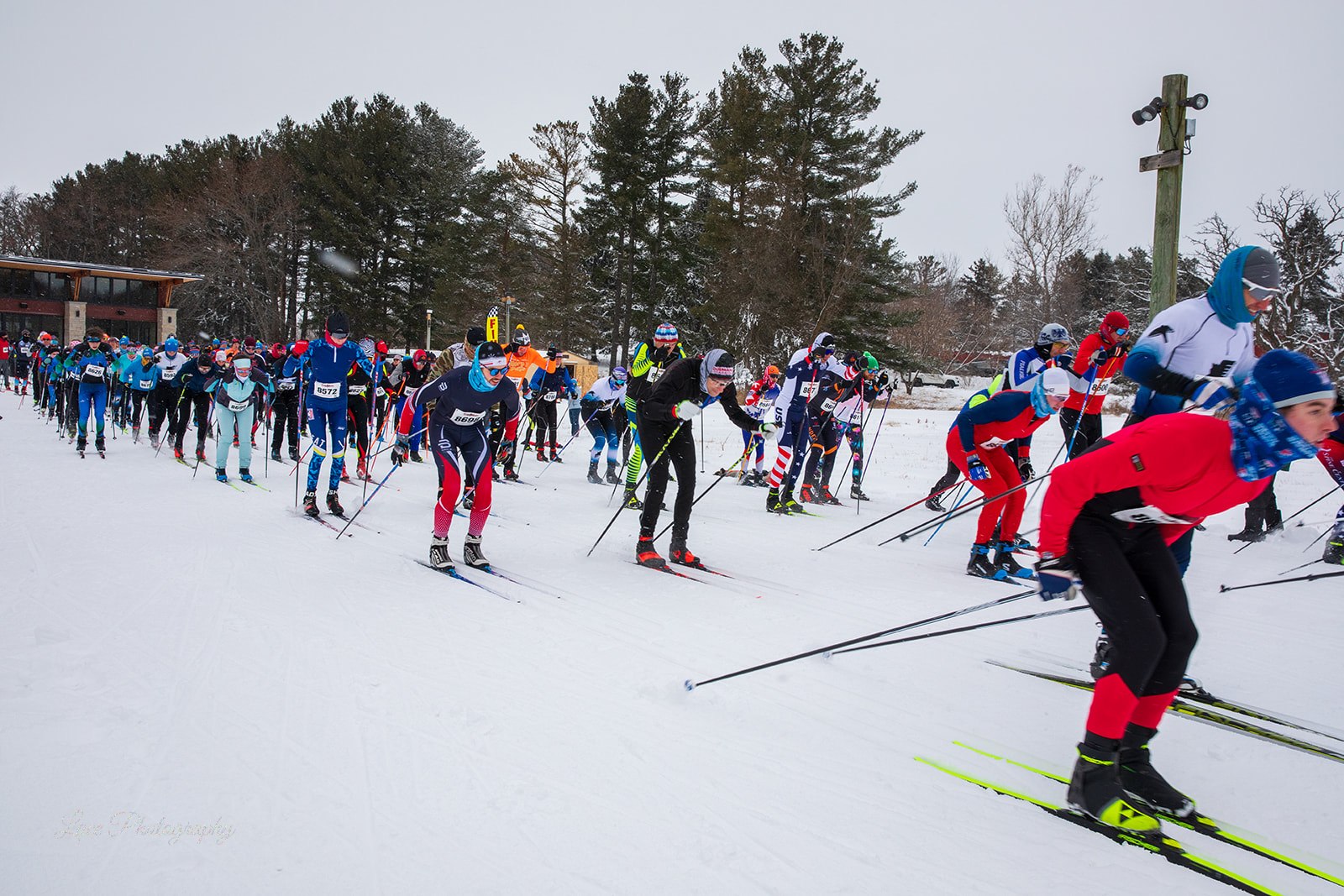
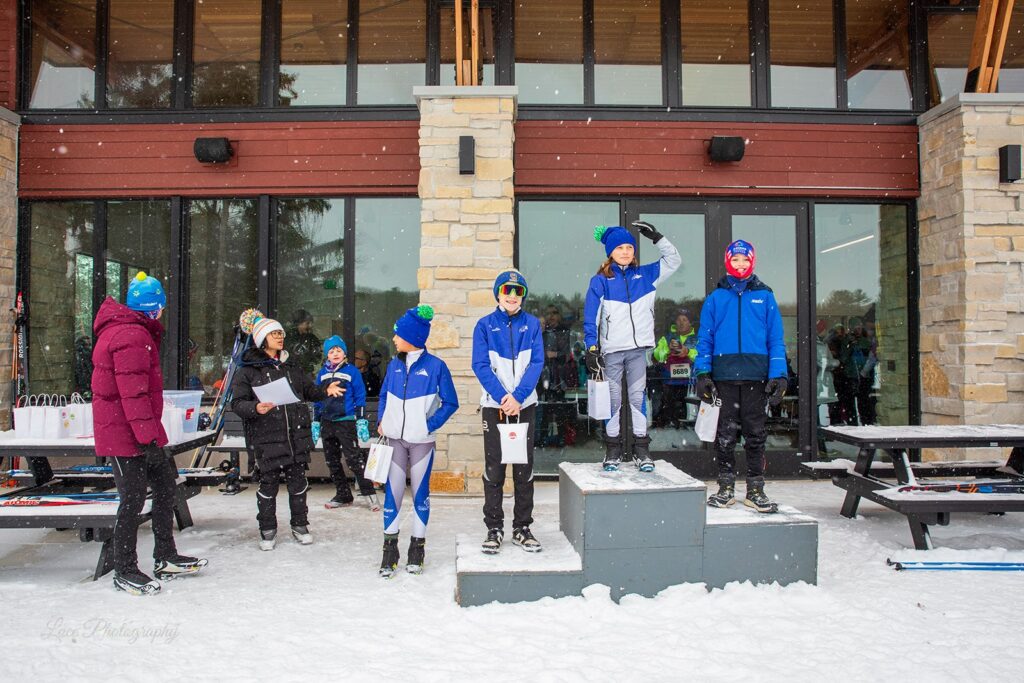
The Lapham Loppet appears, on the surface, like a simple winter ritual: skis clicking into bindings, bibs pinned, volunteers moving quietly between tasks, racers lining up at a familiar start. The course looks ready because it is ready.
But that readiness is built.
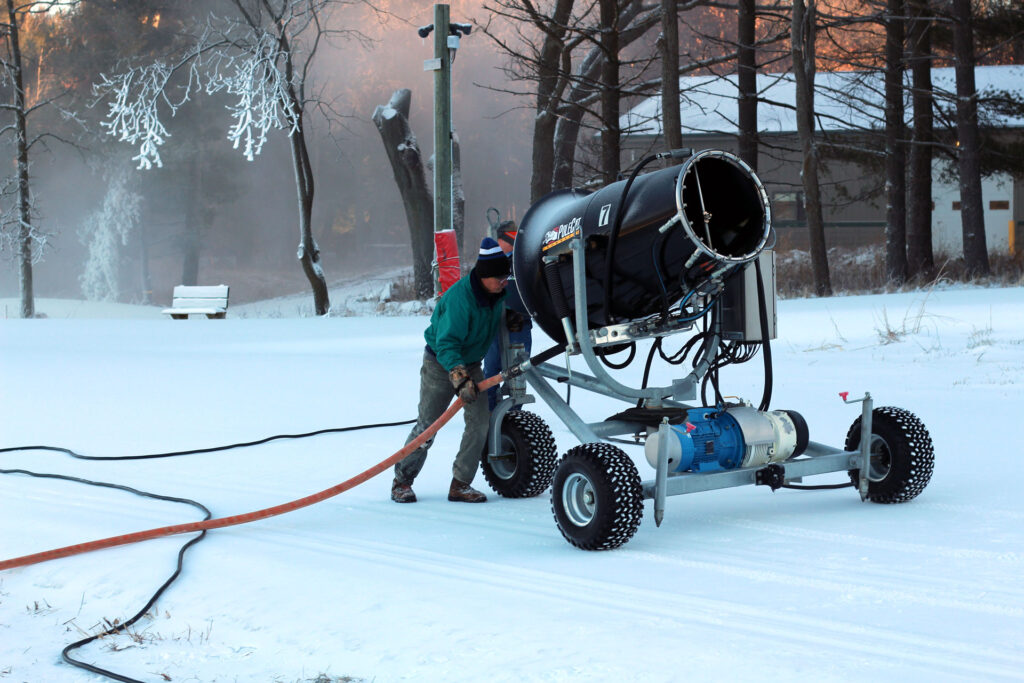
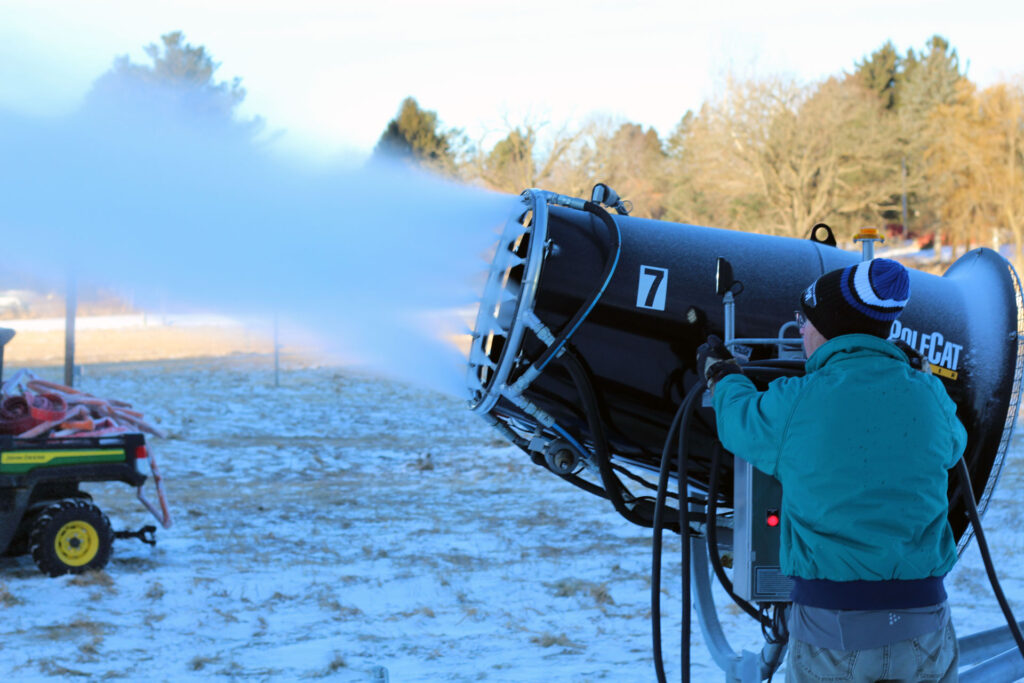
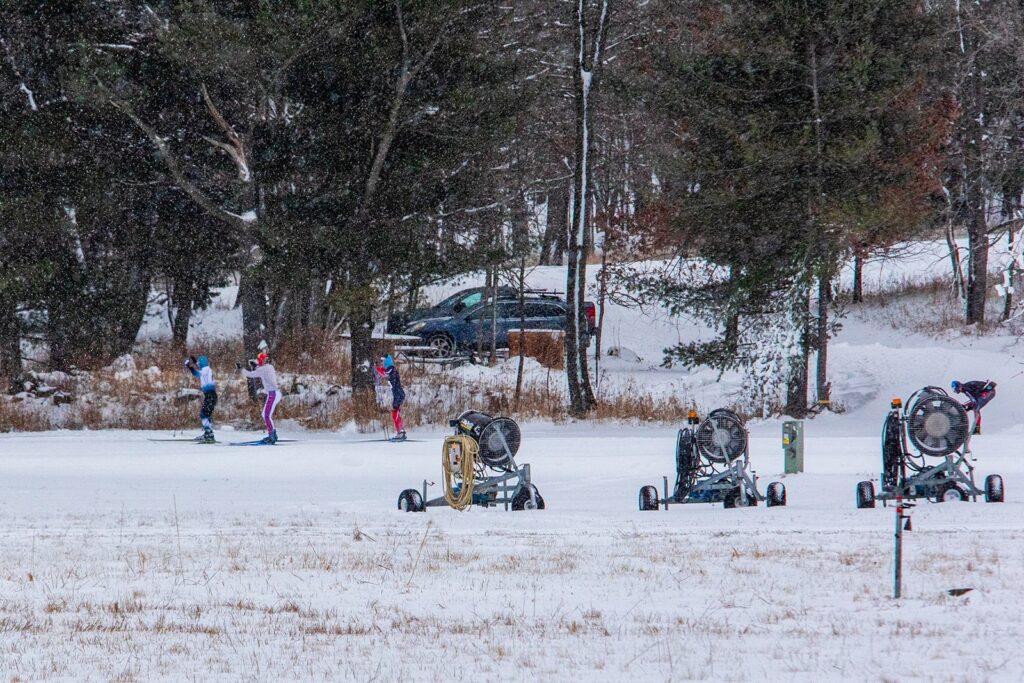
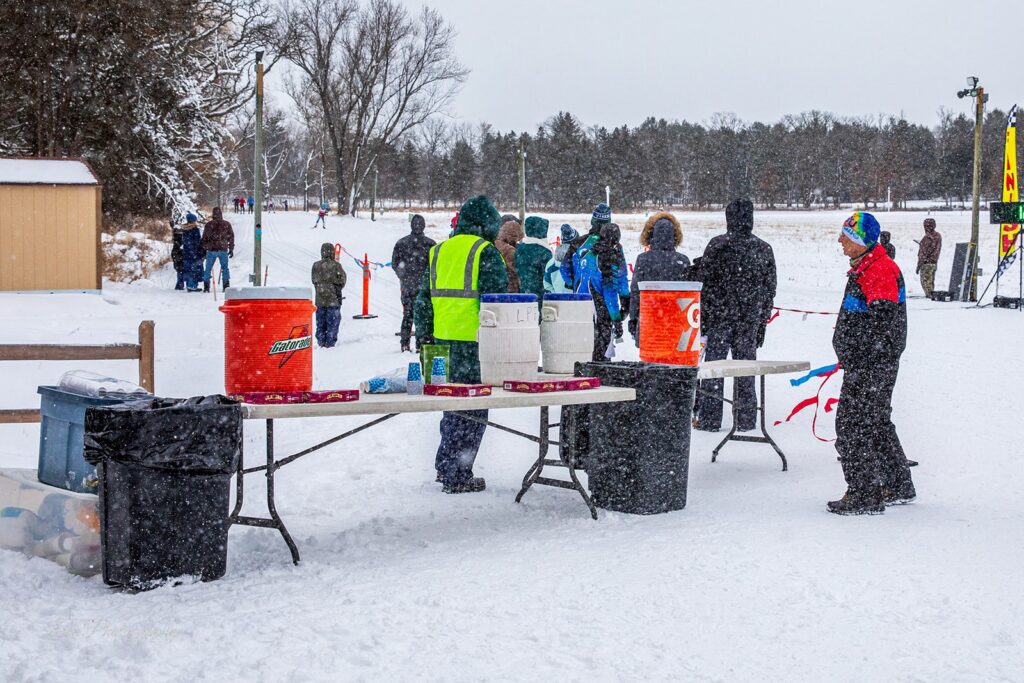
When winters fail to produce consistent snowfall, the race depends on a manmade system maintained almost entirely by volunteers. Snow is produced when temperatures allow, moved where it is needed, shaped, compacted, and groomed overnight. Classic tracks are set. The skate deck is firmed. Lighting, timing, course marking, registration, and logistics are coordinated by dozens of people who know the system because they help run it.
John McCarthy, who has long been involved in organizing the event, estimates that roughly 20 to 25 volunteers support a single Loppet. Between snow preparation, grooming, course setup, timing, water stations, and lodge operations, that amounts to close to 100 volunteer hours tied to one race morning.
That labor is not supplemental to the event. It is the event’s operating foundation.
And the people who do that work are not separate from the people who ski the course. The same community that prepares the trails uses them, races on them, and returns later to maintain them again. Participation and stewardship are not separate roles here. They function as one system.
That structure extends far beyond race day.
A Building Built the Same Way
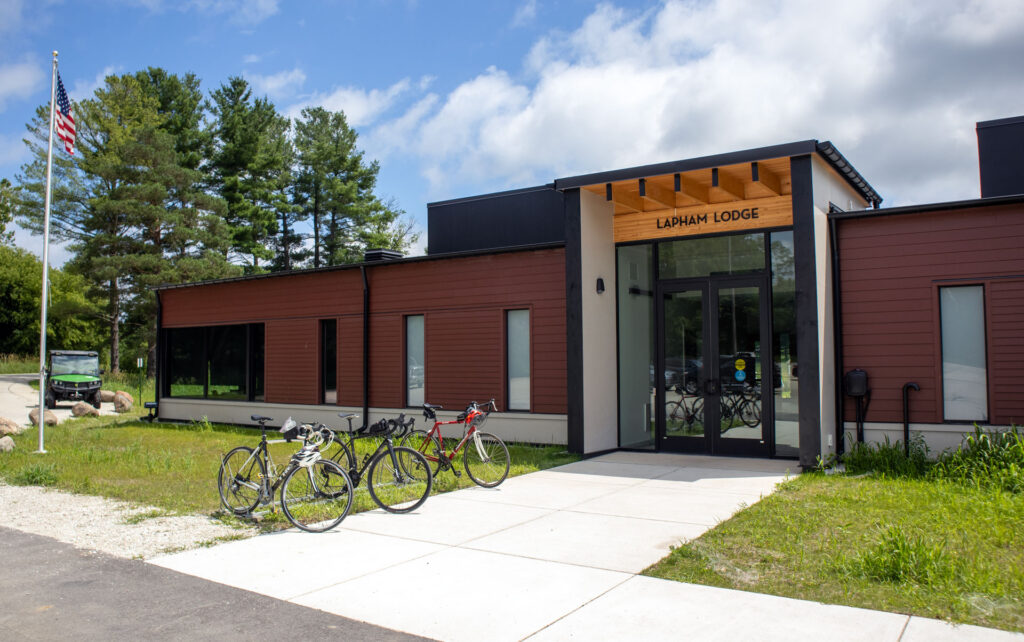
Lapham Lodge now serves as the primary trailside gathering space for skiers, hikers, and park visitors. It replaced the Evergreen Shelter, a smaller and less functional building that had long been identified for replacement in the Wisconsin Department of Natural Resources master plan.
But replacement did not happen through a typical public funding pipeline.
“The DNR is very short on funds,” said Mark Herr, who served on the Friends of Lapham Peak building committee. “Wisconsin is the only state that does not fund its state parks with taxpayer dollars.”
Instead, capital improvements rely heavily on park admissions, sticker revenue, and Friends groups willing to take on projects the state cannot prioritize.
“That’s why Friends groups like ours have taken on major projects,” Herr said.
At Lapham Peak, that project became a lodge.
In April 2021, Paul and Rita Keber contributed $500,000 toward the effort. Herr described that gift simply: “That gift set in motion this four-year effort.”
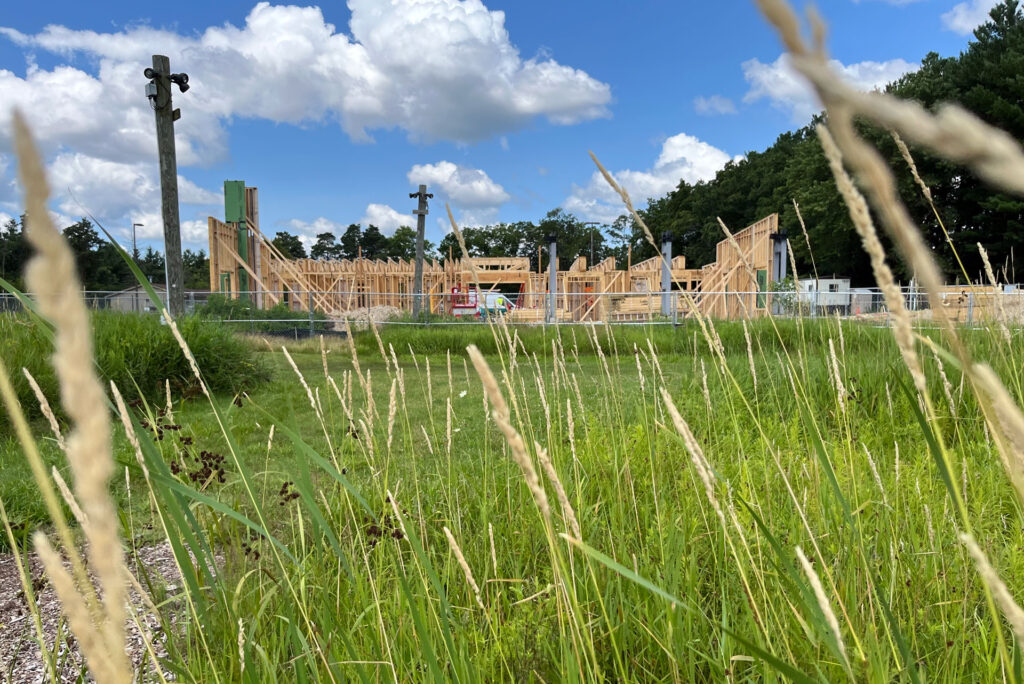
From there, volunteers took on responsibilities normally handled by institutional development teams. The Friends of Lapham Peak formed a building and fundraising committee, brought together architects and engineers, coordinated design, worked through site planning, managed stakeholder engagement, pursued grant funding, and carried the project through the long middle stretch where large civic efforts often stall.
By the time construction was complete, nearly $3 million had been raised through a combination of private donations, state support, tourism funding, and federal grant dollars.
“This group has worked the last four years to fund, design, and build the $2.9 million Lapham Lodge project,” one speaker said at the grand opening. “And then move the building into the state’s hands.”
The Friends did not build the lodge to own it. They built it to give it away.
Volunteers as Infrastructure
Colton Kelly, who managed Lapham Peak from 2019 to 2024 and now oversees properties in the Southern Kettle Moraine State Forest, framed the lodge not as a symbolic win but as an operational necessity.
“Amenities like this building, Lapham Lodge, are what allow us to keep up with that demand,” Kelly said, referring to year-round park use.
He then tied the building directly to labor.
“In 2024, the Friends logged an estimated 18,272 volunteer hours,” Kelly said. “They set up our nature center. They make our man-made snow. They groom our trails. And they build buildings.”
That list is not rhetorical. It describes how the park functions.
Since 1989, the Friends of Lapham Peak have handled trail maintenance across seasons, supported habitat restoration, managed programming, operated snowmaking equipment, groomed winter trails, and sustained events that bring thousands of people into the park each year. Lapham Peak draws some of its highest attendance in winter specifically because it is the only state park that makes snow, a system the Friends initiated and continue to run.
What visitors experience as recreation is, in practice, the output of a volunteer-driven operating model.
Stewardship as a System, Not a Sentiment
It is easy to describe this as generosity. It is more accurate to describe it as governance.
The Lapham Loppet does not happen because conditions are ideal. It happens because people prepare for imperfect conditions and commit to continuity.
Lapham Lodge does not exist because of a single donor, a single agency, or a single planning cycle. It exists because volunteers sustained attention across years of fundraising, coordination, design, and construction.
The trails do not remain usable because of chance. They remain usable because people maintain them after the crowds leave.
At Lapham Peak, stewardship is not a slogan, a volunteer pitch, or a feel-good closing note. It is the structural layer beneath everything else. It is what allows a public place to function when institutional funding cannot carry the full load.
The race does not happen by accident.
The lodge does not happen by accident.
And the park itself does not stay alive by accident either.

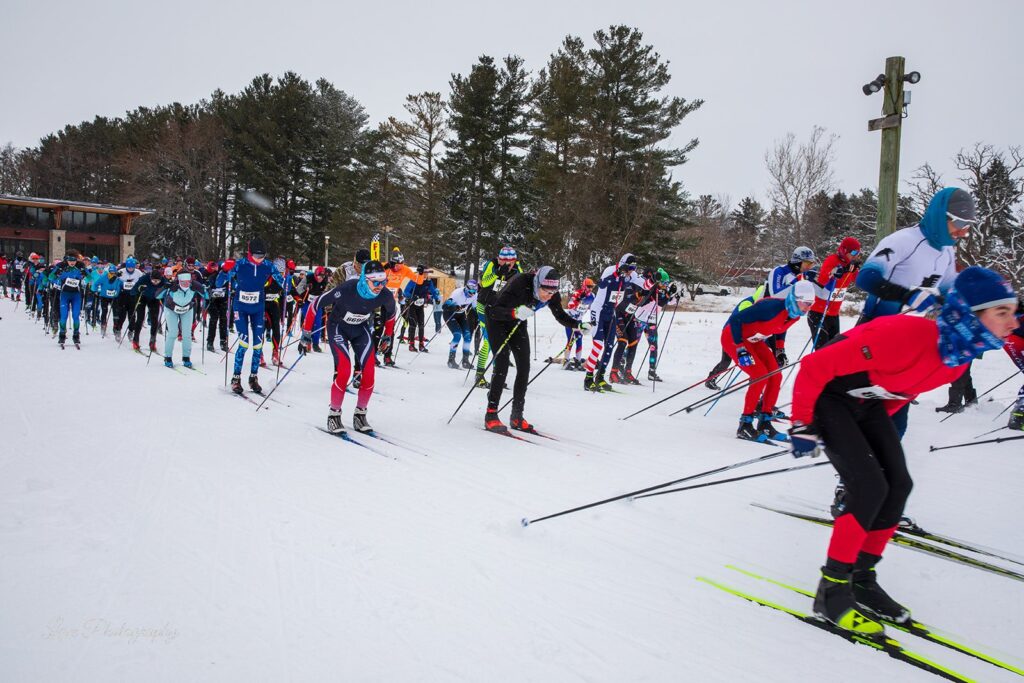
Lapham Peak State Park is open to the public year-round. Park admission passes and vehicle stickers can be purchased through the Wisconsin Department of Natural Resources: https://shop.wi.gov/dnrparkspasses
Photography Credits: Lace Photography; Galbraith Carnahan Architects
Disclosure: The author is employed by Galbraith Carnahan Architects. Reporting and editorial decisions for this piece were made independently.
Leave a Reply